
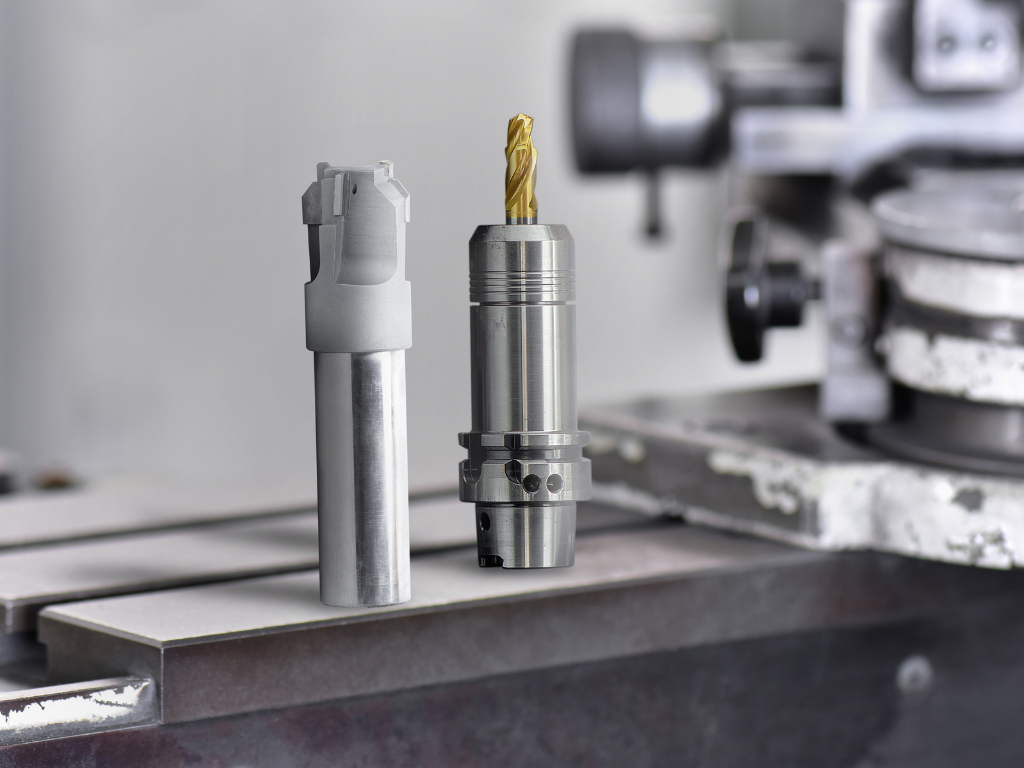
Importance of Tool Selection in Machining
🎯 Tool Selection = Process Optimization
In a machining process, the following four basic elements work in integration with each other:
-
Machine rigidity
-
Cutting parameters (Vc, fz, ap)
-
Cooling and lubrication strategy (MQL, internal cooling, etc.)
-
Tool geometry and tool material
An incorrectly selected tool results in out-of-tolerance production, accelerated tool wear (VB, crater wear), part surface defects (burr, chatter marks) and increased downtime over time. This directly reduces production efficiency.
🔍 Parameters to Consider When Choosing a Team
1. Workpiece Material (ISO Material Group: P, M, K, N, S, H)
-
Steel, stainless steel, cast iron, aluminum, heat-treated alloys... Each requires different machinability characteristics and different cutting tool combinations.
-
For example: In the ISO P group, CVD-coated carbide inserts are preferred, while in the ISO N group, polished, sharp-edged, DLC-coated inserts are more suitable.
2. Cutting Geometry
-
The positive-negative angle of the tool directly affects chip control and cutting forces. For thin-walled parts or applications with a high risk of vibration, the use of positive geometry is inevitable.
-
The helix angle is a decisive factor in chip evacuation and surface quality.
3. Team Material
-
HSS, carbide, CBN, PCD... Selection should be made according to workpiece type and cutting speed.
-
CBN or ceramic for high hardness materials; micron grain size carbide should be preferred for high feed processes.
4. Coating Technology
Coatings such as TiN, TiAlN, AlCrN, DLC directly affect thermal resistance, oxidation resistance and friction coefficient.
PVD coatings with high oxidation resistance should be preferred in processes operating at high temperatures.
5. Application Type
Milling (face milling, slotting, contouring)
Turning (finishing, roughing, interrupted cut)
Boring (twist drill, step drill, indexable drill)
Each of these operations requires specific tool geometries and cutting strategies.
⚙️ Key Performance Indicators Influenced by Team Selection
|
Performance Criteria |
Relation to Team Selection |
|
Tool Life |
Flange wear and partial fractures are minimized by proper tool selection. |
|
Surface Quality (Ra, Rz) |
Sharp-edged tools with the correct geometry ensure lower roughness. |
|
Process Stability |
With appropriate cutting angle and rigid clamping, chatter risk is reduced. |
|
Cycle Time |
Time is reduced with the right tool that can reach high progress and speeds. |
|
Fire Rate |
Correct tool selection reduces the number of out-of-tolerance parts. |
❗ Common Mistakes
-
Use of “general purpose” tools for all materials
-
Incorrect flute geometry for inadequate chip evacuation
-
Choice of tools based solely on price (especially low-quality uncoated products)
-
Selection of cutting geometries not suitable for workpiece rigidity
🧠 Conclusion: Team is an Investment, Not an Expense
Cutting tools account for only 3-5% of the production cost, but affect more than 50% of the total process productivity. Tool selection should therefore be an engineering decision, not a “purchasing decision”. By tailoring tooling strategies to each application, it is possible to both reduce costs and increase process stability.